


✨ Резиме вештачке интелигенције
- Токенизација некретнина, коју покреће блокчејн, револуционише индустрију чинећи инвестиције приступачнијим и транспарентнијим.
- Овај блог пост истражује 10 најпопуларнијих случајева употребе токенизације некретнина у 2025. години, истичући како она омогућава делимично власништво, бољу ликвидност, аутоматизоване трансакције, повећану транспарентност и глобално учешће.
- Са глобалном тржишном капитализацијом токенизованих некретнина, за коју се очекује да ће до 2027. године достићи 5.7 билиона долара, индустрија стиче поверење и институција и појединачних инвеститора.
- У чланку се такође разматрају кључни технолошки трендови који подржавају токенизацију, као што су паметни уговори, интеграција вештачке интелигенције и NFT-ови, заједно са популарним блокчејн мрежама попут Етереума и Бинанс Смарт Чејна које покрећу развој платформи.
- Токенизација некретнина ствара нове могућности за инвеститоре широм света, обликујући динамичније и ликвидније тржиште некретнина.
Real estate is the largest asset class in the world, and until recently, also one of the least liquids. Buying in required six or seven figures of capital, weeks of paperwork, and access most retail investors simply did not have. That is starting to change. Tokenized real estate turns ownership stakes, rental income, and even development capital into digital tokens that settle on blockchain rails, and 2026 is the year this moves from isolated pilots to real infrastructure.
Every real estate tokenization platform launching right now is chasing the same opportunity: an asset class worth hundreds of trillions of dollars that has never had a proper digital liquidity layer. For investors, that means access to deals once reserved for institutions. For developers, it means financing that does not run entirely through a bank. For enterprises deciding whether to build in-house or work with an established компанија за токенизацију некретнина, it means a genuinely open market to enter early. This blog walks through ten of the highest-impact use cases behind that shift, and what each one actually means in practice.
What Makes Real Estate the Largest Opportunity for Asset Tokenization?
Tokenized real estate adoption is not isolated to one region anymore. In the US, platforms are tokenizing rental portfolios and commercial buildings so retail investors can buy in at levels that used to require institutional capital. The UAE has gone further, building regulatory frameworks specifically for real estate tokenization to pull global capital into Dubai and Abu Dhabi property markets. Licensed platforms across Europe and Asia are issuing tokenized shares of residential and hospitality assets under MiCA and MAS-aligned rules.
None of this is experimental anymore. It is how property is starting to get financed, owned, and traded at scale, and it is also why so many enterprises are turning to a real estate tokenization company instead of trying to build compliant issuance infrastructure from scratch. Banks, asset managers, and proptech firms are doing the same, working with a real estate tokenization agency to pilot tokenized funds, mortgage-backed instruments, and commercial portfolios rather than treating this as a side experiment. Even developers with zero blockchain background are now asking a vendor to scope out tokenized offerings as a real fundraising channel, not just a marketing angle.
The market data backs this up. Real estate tokenization was valued at USD 3.73 billion in 2025, and it is projected to hit USD 23.99 billion by 2035, growing at a 21.0% CAGR across that decade. That is a steep curve, and it is capital moving through platforms built by every real estate tokenization company scaling from single-asset pilots to full issuance programs. If you are a real estate tokenization vendor trying to figure out where you sit on that curve, the takeaway is simple: real estate is not a side use case for tokenization, it is the main event, and the firms building the infrastructure for it now are the ones who will own the next decade of growth.

ИЗВОР- https://www.insightaceanalytic.com/report/real-estate-tokenization-market/2782
10 High-Impact Use Cases of Real Estate Tokenization
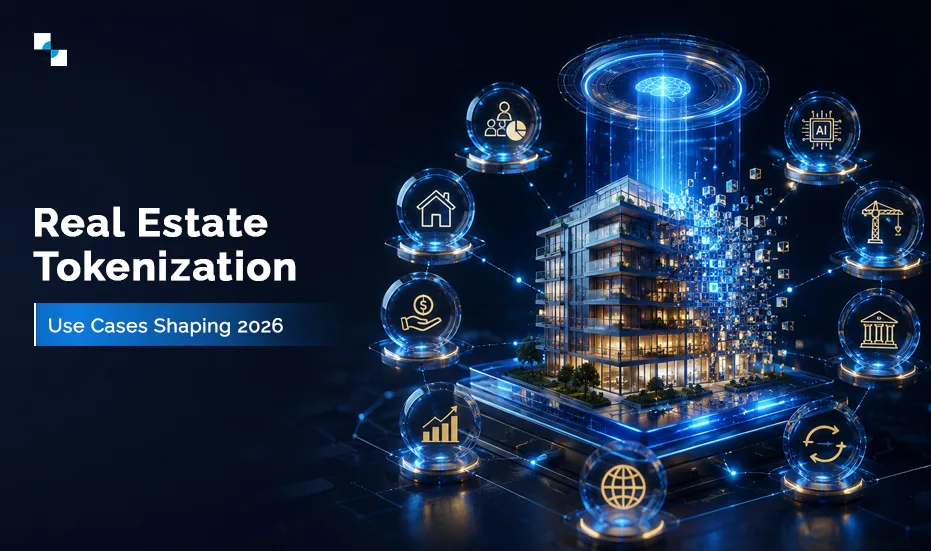
Real estate tokenization is not one product, it is a handful of distinct capabilities, each solving a different problem across the property lifecycle. Some open up fractional access to expensive assets. Others fix how rental income actually gets paid out. Others rebuild how development projects get funded before a single brick is laid. If you are evaluating a real estate tokenization company or a real estate tokenization development company, it is worth knowing which of these use cases actually maps to what you are trying to build, because the smart contract logic, the compliance layer, and the investor experience all look different depending on which one you are solving for. Here are the ten delivering the most measurable impact right now, all live on regulated platforms today, not stuck in a whitepaper.
Fractional Ownership of Premium Properties
Splitting a high-value property into digital shares means investors no longer need the full purchase price to get in, just enough for a slice of it. This is the single biggest driver of retail participation in tokenized real estate today, since it drops the entry point from six figures to a few hundred dollars. Most investors get access to this through a real estate tokenization company that has already built the compliant issuance framework, rather than trying to structure an offering on their own.
Automated Rental Yield Distribution
Rent collection and payout used to mean quarterly statements and manual reconciliation. Smart contracts now handle both automatically, pushing yield to token holders in near real time and logging every payment on-chain. Property managers save on admin overhead, and investors get a paper trail they can actually audit.
Tokenized REITs & Real Estate Funds
Wrapping a traditional REIT or private fund in a tokenized structure gives it liquidity it never had as a legacy fund unit. Investors get lower minimums and near-continuous secondary market access. Fund managers get a global investor base without touching the underlying portfolio.
Planning Your First Tokenized Real Estate Project?
Digital Land Parcels & Development Funding
Land and greenfield development have always been the least liquid part of real estate, tying up capital for years with no exit. Tokenizing land parcels and pre-construction rights changes that. Developers raise money in stages against real milestones, and early investors hold a position they can trade long before the project breaks ground.
AI-Powered Property Valuation & Due Diligence
AI is now built into the tokenization pipeline itself. It processes comparables, rental yield data, zoning changes, and satellite imagery to produce valuations close to real time. Paired with blockchain oracles, it can also scan legal records and title histories in minutes instead of weeks, cutting both the cost and the guesswork out of bringing a property to market as a token.
Прекогранична улагања у некретнине
International investing in property has always meant custodial banking chains, currency conversion delays, and a stack of paperwork. Tokenization strips most of that out. A real estate tokenization company with the right multi-jurisdictional compliance in place can let someone in Singapore hold a fractional stake in a Dubai tower or a US office building without ever opening a foreign bank account.
Real Estate-Backed Collateral for Lending
Tokenized property is starting to show up as collateral in lending protocols, letting owners borrow against real estate without selling it. It is a new kind of credit market, one that settles faster and tracks collateral more transparently than a traditional mortgage-backed loan ever could.
Secondary Market Trading & Liquidity
Once a property is tokenized, the ownership shares can trade on secondary markets and licensed exchanges, something traditional property ownership never offered. That is the real draw for institutions looking at this space: a multi-year illiquid hold becomes a position you can actually exit.
Real Estate Crowdfunding via Tokens
Token-based crowdfunding pools capital from a large number of smaller investors instead of a handful of large ones. It is growing fastest in emerging markets, where tokenization gives local property developers access to global capital they would rarely reach through a traditional bank.
Tokenized Property Development Financing
Beyond land, entire development projects are getting financed through staged token issuances tied to construction milestones. Developers get an alternative to bank financing, and investors get visibility into exactly when and how their money gets deployed, tranche by tranche.
Завршне мисли
Enterprises moving now, whether building in-house or partnering with an established real estate tokenization company, are getting ahead of a shift that will play out over the next decade. The ten use cases above are not hypothetical. They are running on regulated platforms today, paying real yield to real investors.
The harder question is not whether to tokenize. It is how to do it properly: which blockchain to build on, how to structure compliance across multiple jurisdictions, and how to design something that scales past one pilot asset. That is usually where a proven компанија за развој токенизације некретнина built for scale, makes the difference between a project that stalls and one that attracts institutional capital.
Antier is a real estate tokenization company with end-to-end platform delivery, multi-chain support across Ethereum, Polygon, and Avalanche, and compliance frameworks already built for the UAE, EU, US, and Singapore. Whether you are a real estate enterprise exploring your first tokenized offering, or a fintech building a real estate tokenization platform, Antier brings the technology and the compliance groundwork to get it live.
The platforms that win here will be the ones treating compliance, custody, and liquidity as core parts of the product, not features added after launch. As AI-driven valuation and secondary market infrastructure keep maturing through 2026, the distance between enterprises working with the right real estate tokenization company and those trying to figure it out alone is going to keep growing. Starting now, with the right partner, is what puts you on the right side of that gap.
Најчешћа питања (FAQ)
01. Шта је токенизација некретнина?
Токенизација некретнина је процес разбијања некретнина на мале дигиталне јединице, назване токени, што омогућава већем броју људи да улажу у некретнине са мањим количинама новца, побољшавајући доступност тржишта и ефикасност.
02. Како токенизација побољшава ликвидност у инвестицијама у некретнине?
Токенизација омогућава трговање токенима на онлајн платформама или секундарним тржиштима, омогућавајући инвеститорима да лакше купују и продају своје токене, што је традиционално било тешко код потпуне продаје имовине.
03. Какву улогу играју паметни уговори у токенизацији некретнина?
Паметни уговори аутоматизују трансакције извршавањем споразума када се испуне одређени услови, помажући власницима некретнина да управљају плаћањем закупнине, расподелом профита и усклађеношћу са законом без посредника, штедећи тако време и смањујући грешке.